

The Real Difference Between Luck and Skill in Online Gambling
Every casino lobby tells the same story. Bright lights, big jackpots, and the implicit promise that tonight could be your night. But anyone who has spent more than a weekend around iGaming eventually bumps into the question that separates tourists from regulars: how much of this is actually up to me? The answer changes dramatically depending on whether you are spinning slots, sweating a parlay, or grinding a poker table — and understanding that difference is the single most useful thing you can do for your bankroll.
Slots: The Purest Form of House Edge
Slot machines are the most honest games in the building, precisely because they make no pretense of skill. A modern video slot runs on a random number generator that fires thousands of times per second, and the moment you hit spin, it locks in a result before the first reel even animates. No pattern of stopping the reels, no "hot" machine theory, and no session timing changes the math.
What you can control is the math you choose. Every slot publishes a return-to-player figure, usually between 92% and 97%. A 96% RTP game gives back roughly $96 for every $100 wagered over millions of spins — which also means the house keeps about 4%. That edge is expressed through frequency and size of payouts:
- Low volatility: frequent small wins, slower drain, better for long sessions on a small bankroll.
- High volatility: long dry spells punctuated by big hits, punishing for anyone with a short budget.
- Progressive jackpots: lower base RTP, usually 88-92%, with the missing percentage funding the headline prize.
One practical tip: if you are playing a slot with a max bet feature tied to the jackpot, betting below the max usually disqualifies you from the top prize. Read the rules, because that 0.20 difference in stake can be the difference between eligible and watching. If this is new to you, สล็อตเว็บตรง is a sensible next read.
Sports Betting: Where Information Beats Instinct
Betting is the category where knowledgeable players genuinely move the needle. The bookmaker sets a line based on public money, injury news, and mathematical models — then adjusts it as bets come in. If you consistently know more than the market, you profit. If you are guessing, you are paying the vig.
Consider a standard NFL spread priced at -110 on both sides. To break even, you need to win 52.4% of your bets. That roughly 2.4% cushion is the book's fee, and it is why casual bettors with a 50% hit rate slowly bleed out. Sharp bettors survive by finding lines that are mispriced — often in less popular markets like props, lower-tier leagues, or live betting, where books have less data and wider margins.
Three habits that separate profitable bettors
- Line shopping. The same game can differ by half a point and 15 cents of juice across books. Over 500 bets, that gap is real money.
- Closing line value. Track whether you consistently beat the final line before kickoff. If you do, you are likely a long-term winner regardless of short-term results.
- Unit discipline. Flat betting 1-2% of your bankroll keeps variance survivable. Chasing losses with 10% stakes is how accounts die.
Poker: The Only Game Where You Play the Players
Poker is not gambling in the same sense as slots. You are not betting against the house; you are betting against other people, and the house takes a small rake. Over enough hands, the more skilled player wins. That is not opinion — it is a mathematical certainty demonstrated by decades of online tracking data.
The skill comes in layers. Preflop ranges decide which hands you play from which positions. Pot odds and equity calculations govern whether a call is profitable. But the biggest edge at low and mid stakes is reading opponents: identifying who folds too much, who calls too often, and who only raises with the nuts.
Online poker adds a data dimension that live play lacks. Hand histories let you review every decision, and tracking software can reveal that a particular opponent folds to 70% of three-bets. That information is worth more than any tells you might spot in a casino.
Bankroll Management Is the Real Skill Nobody Talks About
Here is the uncomfortable truth: a winning strategy still loses money in the short run. Even a bettor with a genuine 55% edge on -110 lines will have losing months. Without bankroll rules, one bad stretch wipes out months of work.
- Slots: budget in sessions, not in hopes. If you deposit $100, treat it as the cost of entertainment, not an investment.
- Sports betting: 100+ units is a reasonable starting bankroll for a flat-betting approach.
- Poker: 20-30 buy-ins for cash games, 50-100 for tournaments, depending on your win rate and variance tolerance.
Equally important is accepting that variance is not a bug. It is the mechanism that allows edge to exist. If results were smooth, no one would ever get a price on a good bet.
What Responsible Play Actually Looks Like
Every regulated operator now offers deposit limits, session reminders, and self-exclusion tools. Use them before you need them. Set a monthly deposit cap on day one, not after a rough weekend. The players who last are the ones who treat iGaming as a form of paid entertainment with a defined budget — the same way they would approach a night at a concert or a round of golf.
The industry's own data bears this out. A small percentage of players generate a disproportionate share of revenue, and those are rarely the people having fun. The sustainable approach is boring: fixed limits, realistic expectations, and games you actually understand.
The Bottom Line
Slots are entertainment with a fixed cost and occasional upside. Sports betting rewards research and punishes laziness. Poker is a competitive pursuit that happens to occur in a casino. None of these are shortcuts to wealth, and anyone selling them as such is selling something else entirely.
The smartest move in iGaming is not finding a secret system. It is knowing which game you are actually playing, matching your approach to its math, and walking away when the fun stops being fun. Master that, and you will outlast most of the people sitting next to you at the table.
tag: iGaming

Oliver Hartley Author
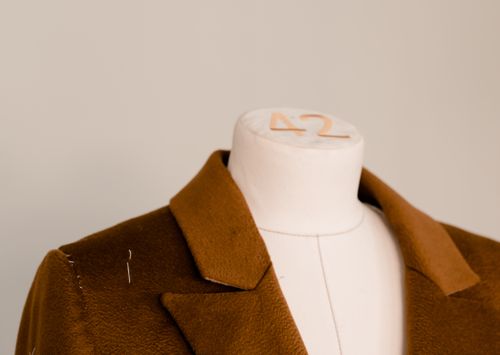
Check the canvas, button stance and shoulder line before considering fabric. These details separate a lasting garment from a disposable one.
YOU MAY ALSO LIKE
What to Look for in a Well-Made Suit
Sep 19
10Cleanse, moisturise and apply a subtle fragrance. Keep tools clean and choose products suited to your skin type rather than following passing trends.
read more
Simple Morning Grooming Routine for Busy Professionals
Sep 17
10Full-grain leather, solid brass buckles and stitched edges are worth the investment. Match belt colour to shoe leather for a considered finish.
read moreMenswear
-

ERRIC CATONA
Position a wingback chair near natural light, add a side table for tea and layer wool throws for warmth without sacrificing elegant proportions.
May 19, 2016 at 5.12 pm
Reply
ERRIC CATONA
Plan a simple menu, set the table thoughtfully and keep conversation inclusive. Good hosting is about making guests feel relaxed and valued.
May 19, 2016 at 5.12 pm
Reply -
ERRIC CATONA
Charity shops in affluent areas, specialist fairs and online auctions can yield well-preserved tweed, silk ties and classic overcoats at fair prices.
May 19, 2016 at 5.12 pm
Reply
Grooming
Your email address will not be published.