
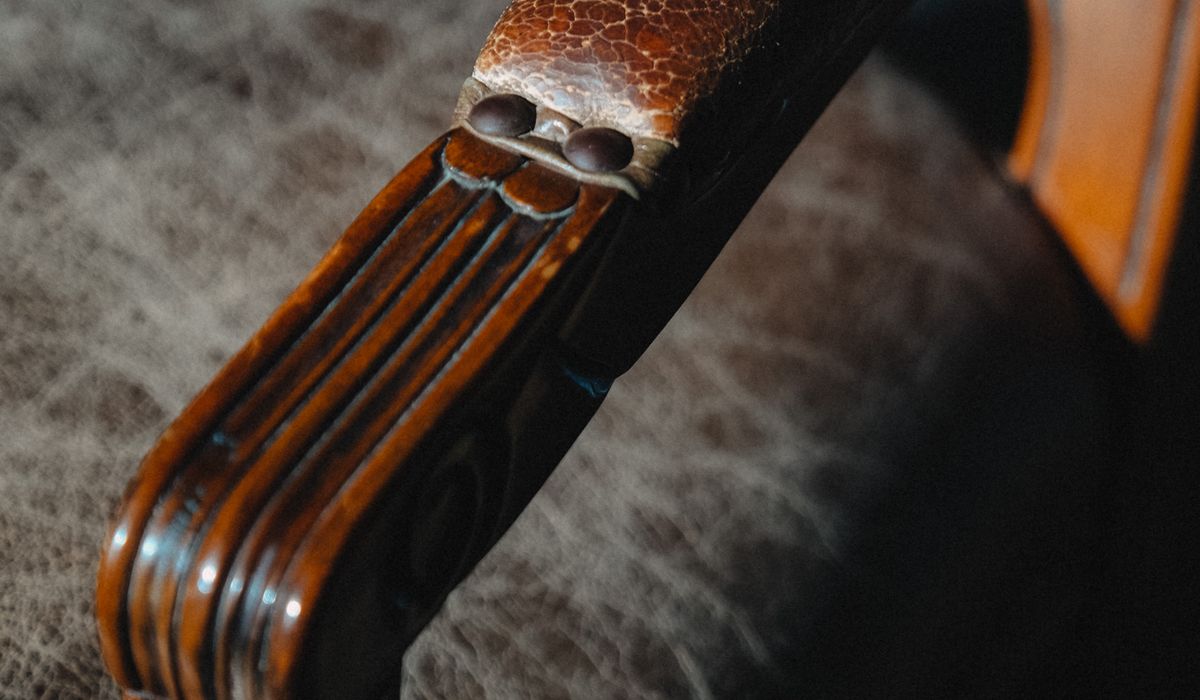
Understanding Suit Fabric Weaves and Their Uses
Why the Weave Matters as Much as the Cloth
When clients ask about a new suit, they usually begin with the fibre: wool, linen, silk, cashmere. Fibre matters, of course, but the weave decides almost everything about how a cloth actually behaves. Two jackets cut from pure wool can feel, drape and wear like entirely different garments simply because one is woven worsted and the other woollen.
Weave governs surface texture, porosity, weight for weight, resistance to creasing and how formal the finished garment reads. Get the weave right and the suit works quietly for years. Get it wrong and you will feel the mismatch every time you put it on.
Worsted: The Crisp All-Rounder
Worsted cloth begins with long-staple wool that has been combed so the fibres lie parallel, then spun tightly. The result is a smooth, dry-handed cloth that holds a crease, presses sharply and resists wrinkling during a long day.
Within worsted you have real variety. A plain weave is the lightest and most breathable, ideal for summer. A twill shows a subtle diagonal, is denser and more durable, and is the backbone of most business suits. A hopsack has a basket-like texture, more porosity and a slightly relaxed character that suits odd jackets. Add herringbone, birdseye and glen check and you have the patterns that define city dressing.
Mid-weight worsteds, roughly 260–320g, are the practical core of a wardrobe. High-twist versions — woven from tightly twisted yarns — are the answer for humid weather and travel, since they shed creases and let air through.
Flannel: Softness, Warmth and Quiet Elegance
Flannel is made from woollen-spun yarns, carded rather than combed, so shorter fibres are trapped in the thread. The cloth is then brushed or napped, giving it that familiar soft, matte surface. It drapes softly, feels warm against the skin and never looks flashy.
- Woollen flannel: the classic, with a fuzzy face and a slightly blousy drape.
- Worsted flannel: a cleaner surface and crisper line, with some of the softness retained.
Flannel excels in autumn and winter. Mid-grey flannel trousers are one of the most useful garments a man can own, pairing with tweed, navy blazers and heavier knitwear. Bear in mind that flannel is less formal than worsted, and that trousers will crease and eventually polish at the seat and knees. Two pairs of trousers with a flannel suit is money well spent.
Tweed: Texture, Weather and Country Character
Tweed is the great outdoor cloth. Thick woollen yarns are loosely woven, leaving a hairy, weather-resistant surface that shrugs off wind and light rain and softens beautifully with age. Weights typically run from 400g to well over 600g, so it is genuinely warm.
You will meet herringbone, chevron, houndstooth and plain estate patterns, along with regional classics such as Harris and Donegal tweeds, where flecks of colour are spun into the yarn. Tweed belongs to shooting, walking, weekend lunches and country houses. It is a poor choice for a heated office or a formal meeting, where it will feel heavy and read as deliberately casual.
Matching Weave to Season, Formality and Wear
- Season: high-twist worsted and open plain weaves for spring and summer; flannel and mid-weight worsted for autumn; tweed and heavier flannel for deep winter.
- Formality: worsted sits at the top for business and occasions, flannel a comfortable step below, tweed firmly in casual territory.
- Durability: twill and hopsack cope with frequent wear; flannel abrades and pills with hard use; tweed is remarkably tough if brushed and kept dry.
- Versatility: a navy or charcoal worsted suit will do more work than any other single garment you can commission.
Practical Pointers Before You Commission
Ask to handle a swatch rather than judging from a screen. Crumple it in your fist, let go and watch how quickly it recovers. Hold it to the light to judge how openly it is woven — useful if you run warm. Rub the surface to see whether loose fibres shed onto your fingers.
Then think about how the cloth will be worn, not how it looks folded on a table. A jacket in tweed with worsted trousers is a fine combination; so is a worsted jacket with flannel trousers. If the suit will be worn two or three days a week, choose a mid-weight worsted twill and order a second pair of trousers. If it is for weekends and cold weather, let yourself enjoy flannel and tweed for what they are.
Finally, care for each weave on its own terms. Brush tweed after wear to lift the nap and remove dust. Rest flannel for a day between outings so the fibres can recover. Hang worsted on a broad wooden hanger and steam rather than press, which keeps the sharpness in the cloth instead of flattening it. Choose the weave for the life you actually lead, and the suit will earn its place in the wardrobe for a decade or more.
tag: Tailoring

Oliver Hartley Author
Deep greens, warm neutrals and muted blues work well with period features. Test samples on several walls before committing to a full room.
YOU MAY ALSO LIKE
Choosing Paint Colours for a Traditional Sitting Room
Aug 12
10Mention the specific gift or gesture, explain how you will use it and close with warm regards. Handwritten notes carry more weight than digital messages.
read more
How to Write a Thoughtful Thank-You Note
Aug 7
10Clean with saddle soap, condition the leather and replace worn hardware. A little patience can bring a quality piece back into daily use.
read moreMenswear
-

ERRIC CATONA
A pot of loose-leaf tea, a walk without headphones and a few pages of a novel can restore calm amid a demanding schedule.
May 19, 2016 at 5.12 pm
Reply
ERRIC CATONA
Choose wider wales for casual outfits and finer wales for smarter settings. Pair with knitwear, brogues and a wool overcoat for autumn walks.
May 19, 2016 at 5.12 pm
Reply -
ERRIC CATONA
Pomades suit slick styles, clays add texture and creams offer a natural finish. Start with a small amount and build gradually.
May 19, 2016 at 5.12 pm
Reply
Grooming
Your email address will not be published.