
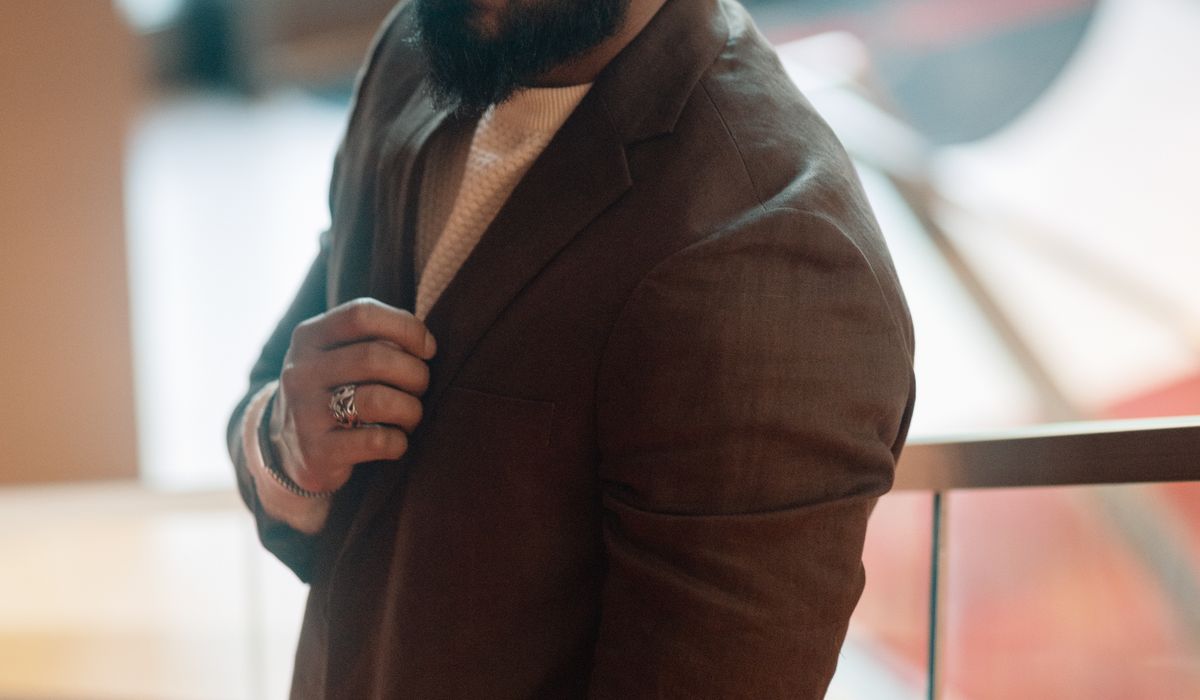
Where to Find Quality Vintage Menswear in Britain
There is a particular pleasure in finding a well-cut tweed jacket on a crowded rail, knowing it was made by hands that understood cloth and that it has decades of wear left in it. British vintage menswear is not a secret, but the good stuff does not present itself. It hides in places that reward local knowledge, patience and a willingness to get up early on a Saturday. Here is how to work the market properly.
Start Where the Money Lives: Charity Shops in Affluent Towns
The single most reliable rule of thumb is that donation quality follows housing stock. Shops in cathedral cities, prosperous market towns and the leafier suburbs of Edinburgh, Bristol and Manchester receive a steady drip of very good clothing simply because the people who wore it had taste and money, and their families do not always recognise what they are handing over.
Look at towns with a racing, golfing or legal population: Harrogate, Cheltenham, Bath, Tunbridge Wells, Cirencester, Hexham, Stockbridge in Edinburgh. Volunteer-run shops tend to sort more carefully than large chains, and the smaller the shop, the faster stock turns over. Go on a weekday morning if you can, and get to know the volunteers. Ask politely which day the new donations hit the floor, and whether they keep a rail for better items. Being a familiar, courteous face is worth more than any app.
Expect to pay between £8 and £25 for a tweed jacket, £20–£45 for a wool overcoat and as little as 50p for a silk tie. At those prices, buy when it fits rather than going away to think about it.
Specialist Fairs and the Seasonal Circuit
Vintage fairs held in town halls, agricultural showgrounds and university buildings are where dealers bring their best stock. They are not cheap, but they are curated, and a specialist dealer will know the cloth, the era and the maker.
- Buy an early-entry ticket if one is offered. The best pieces go in the first hour.
- Take your measurements on a card: chest, shoulders, sleeve, jacket length, waist and inside leg. Dealers trust a man who knows his own numbers.
- Ask what else they have in the van, and leave your details. Good dealers keep want-lists.
- Haggle gently, and only on a bundle. Two jackets bought together often come with a friendlier price than one.
Autumn and early spring are the richest seasons, when tweed, flannel and heavy overcoats re-emerge from storage.
Online Auctions: Patience and a Firm Ceiling
Online auction listings reward the methodical. Set saved searches for the things you actually want — "tweed three-piece", "wool overcoat 42", "silk tie job lot", "gentleman's wardrobe" — and check them weekly rather than daily. House clearances and estate sales often list clothing in mixed lots, which is where the quiet bargains are.
Before bidding, always message for measurements and ask about flaws. Request pit-to-pit, shoulder-to-shoulder, sleeve length from shoulder seam, jacket length from collar base, trouser waist and inside leg. Ask whether there is any moth damage, and whether the trousers have been altered. Factor in postage, dry cleaning and any tailoring when you set your maximum, then do not exceed it. Bid in the final minute and let somebody else pay too much.
What to Look For, and What to Walk Away From
- Tweed and wool: hold the garment up to a window. Moth grazing shows as thin, bright patches, most often under the collar, at the cuffs and around the armpits.
- Buttons: horn buttons sewn with a shank suggest proper manufacture. Plastic buttons on a well-cut jacket are a cheapening sign.
- Lining: silk and rayon perish under the arms. A tired lining is worth replacing; a torn one hiding rot is not.
- Front canvas: pinch the cloth between the lapel and the chest. If you feel a floating layer of horsehair, the jacket has a proper canvas front. If it feels like cardboard glued down, walk away — fused fronts bubble with age.
- Trousers: check the seat and crotch for shine, and look for the extra seam allowance inside the waistband that a tailor can let out.
- Shoes: check for cracks across the vamp where the leather flexes. A resoled welted shoe is a bargain; a cracked upper is not.
- Silk ties: inspect the narrow end and the area just below the knot for fraying. Hand-rolled edges are a good sign.
Care and Grooming: Bringing a Find Back to Life
Vintage clothing flatters a man who is himself well turned out. A sharp haircut, clean nails and decent shoes do as much for a £12 tweed jacket as any alteration.
Brush wool with a stiff bristle clothes brush after each wear, and hang it in a steamy bathroom to let creases fall out. Store on broad wooden hangers with a little space between garments, and use cedar blocks rather than mothballs. Have jackets and coats sponged and pressed by a cleaner who understands tailoring, not one who presses everything flat. Polish leather with cream rather than heavy wax, and rotate your shoes so each pair rests a day between wears. A good alterations tailor can shorten sleeves, take in a waist and slim a trouser leg for modest money — often less than the price of a new high-street jacket.
Build a Wardrobe, Not a Collection
The temptation, once the finds start arriving, is to accumulate. Resist it. One excellent overcoat beats four mediocre ones, and a man with a navy blazer, a charcoal suit, two good tweeds, a handful of silk ties and a pair of welted brown brogues will always look better dressed than the man with a bulging rail of near-misses. Fix your colours — navy, charcoal, olive, brown, cream — and buy only what fits at the shoulders and chest, because everything else can be adjusted. Bought that way, vintage is not merely cheaper than new. It is very often better made, and it will outlast you.
tag: Vintage

Peregrine Duff Author
Resist the urge to rush. Brew proper coffee, read a printed newspaper and take a short walk to reset your mind before the week begins.
YOU MAY ALSO LIKE
The Benefits of a Slow Weekend Morning
Aug 31
10Pair it with grey flannels, a crisp shirt and leather loafers. Avoid overly shiny buttons and ensure the fit skims your shoulders neatly.
read more
How to Wear a Navy Blazer with Confidence
Aug 27
10Winter demands extra oil and balm, while summer calls for lighter products and regular trimming. Adjust your routine as humidity and temperature shift.
read moreMenswear
-

ERRIC CATONA
A well-knotted tie in a subtle pattern adds polish without shouting. Learn a four-in-hand knot and choose colours that complement your shirt.
May 19, 2016 at 5.12 pm
Reply
ERRIC CATONA
Worsted, flannel and tweed each behave differently. Consider season, formality and durability before commissioning a jacket or trousers.
May 19, 2016 at 5.12 pm
Reply -
ERRIC CATONA
Deep greens, warm neutrals and muted blues work well with period features. Test samples on several walls before committing to a full room.
May 19, 2016 at 5.12 pm
Reply
Grooming
Your email address will not be published.