
Collecting Antique Pocket Watches with Care
Why Pocket Watches Reward the Careful Collector
There is something quietly satisfying about a pocket watch. It is the one piece of classic menswear that asks to be handled rather than worn, and a good English lever from the 1880s still keeps time well enough to set your morning. It also represents extraordinary value: hand-finished wheels and pinions, jewelled pivots, engraving cut by eye, all for less than the price of a mid-range wristwatch.
That value is exactly why caution pays. The market is full of watches that look lovely in a photograph and turn out to be a money pit once opened. The remedy is not suspicion but method. Learn to read a watch in a fixed order — movement first, case second, originality third — and you will avoid most of the expensive mistakes.
Read the Movement Before You Fall for the Dial
The dial is what everyone sees. The movement is what determines whether the watch runs, and what it will cost you if it does not. Always ask for sharp photographs of the movement with the back cover open, and a short video showing the balance in motion. A still image hides everything that matters.
- Rust and corrosion. Check the steelwork around the screws, the regulator and the ratchet. Speckled orange on a hairspring is a warning, not a patina.
- The balance. It should swing briskly and evenly with a clean, confident tick. A sluggish, lopsided wobble suggests a worn staff or a tired mainspring.
- Jewels. Look for clean, unbroken holes. Cracked or obviously replaced jewels hint at a hard life.
- Escapement type. A lever escapement is the practical choice. Fusees are charming and historically important, but they need a specialist and cost more to keep in order.
Note the difference between “running” and “serviced”. A watch that ticks on the seller’s kitchen table may be running on borrowed time. Ask when it was last cleaned and oiled, and by whom. If there is no answer, assume a service is due and price it in.
Case Hallmarks: Your Best Defence
On British watches, the case is a document. Assay office marks from London, Birmingham, Chester, Edinburgh or Dublin, together with a date letter, a maker’s mark and a standard mark for sterling silver or 9, 14 or 18 carat gold, tell you where and when the case was made and to what standard.
- Match the date letter to the watch. A case dated 1912 around a movement styled for 1860 deserves an explanation.
- Check the marks appear on every part. Case back, inner cover, pendant and bow should all carry them, and they should match.
- Beware worn or missing marks. Heavy rubbing can mean a polished-down case or, occasionally, a forgery.
- Know your foreign cases. Swiss and American cases often use different standards, and some carry no assay marks at all.
The Originality Question
Pocket watches have been repaired for well over a century, so a replaced mainspring or a new balance staff is normal and no cause for alarm. What matters is whether the watch is honest — whether its parts belong together and whether any substitutions have been disclosed.
Look for a dial that fits the movement in style and fixing method, hands that suit the period, and a case whose wear pattern matches the movement’s. Hairline cracks in enamel dials are common and can be stabilised, but they cannot be erased invisibly. A replaced dial does not make a watch worthless, but it should be reflected in the price. Be especially wary of anything described as “composed” or “assembled”: that usually means a marriage of unrelated movement and case.
Service Records and the Cost of Ownership
Paperwork is worth paying for. A written service history, an invoice from a reputable repairer, or a note of parts replaced all reduce your risk and add to the watch’s desirability when you eventually pass it on.
Without that history, budget realistically. A full clean and overhaul of a fusee lever commonly runs to several hundred pounds. Replacing a balance staff, repairing a hairspring or re-pivoting a wheel adds more, and parts for an obscure maker may need to be made from scratch. A watch bought cheaply can double in cost within a year. Factor that in before you bid, not after.
Buying Well, and Buying Once
A specialist dealer is usually the soundest route. Expect a written description, a warranty of at least twelve months and a clear returns period, and do not be shy about asking for timekeeping results over twenty-four hours in a few positions. Auction houses can offer better prices, but remember the buyer’s premium and the fact that most lots are sold without recourse. Private sales offer neither protection nor comeback, however pleasant the seller.
Finally, resist the urge to accumulate. One well-chosen English lever, hallmarked, original and freshly serviced, will give you more pleasure than five tired watches that never quite run. Buy slowly, ask questions, and let the movement decide.
tag: Vintage

Jonathan Pemberton Author
Dedicate a wall or alcove to books, add a comfortable chair and good lighting. Arrange by subject or author to make browsing a pleasure.
YOU MAY ALSO LIKE
Creating a Personal Library at Home
Jun 26
10Start with well-cut staples in neutral tones, then add texture through knitwear, overshirts and tailored trousers for everyday versatility.
read more
A Guide to Building a Timeless Capsule Wardrobe
Sep 24
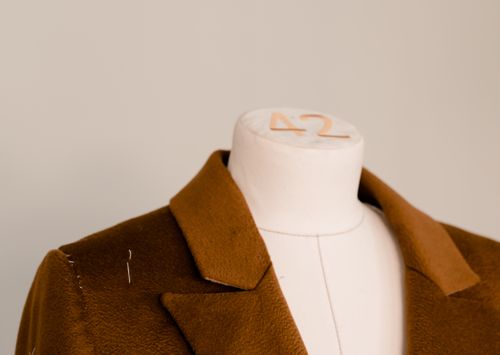
10Check the canvas, button stance and shoulder line before considering fabric. These details separate a lasting garment from a disposable one.
read moreMenswear
-

ERRIC CATONA
Cleanse, moisturise and apply a subtle fragrance. Keep tools clean and choose products suited to your skin type rather than following passing trends.
May 19, 2016 at 5.12 pm
Reply
ERRIC CATONA
Full-grain leather, solid brass buckles and stitched edges are worth the investment. Match belt colour to shoe leather for a considered finish.
May 19, 2016 at 5.12 pm
Reply -
ERRIC CATONA
Position a wingback chair near natural light, add a side table for tea and layer wool throws for warmth without sacrificing elegant proportions.
May 19, 2016 at 5.12 pm
Reply
Grooming
Your email address will not be published.