
How to Wear a Navy Blazer with Confidence
Why the Navy Blazer Earns Its Place
Few garments repay a little attention quite like a navy blazer. It sits in that rare sweet spot between formality and ease: smart enough for a lunch, relaxed enough for a Saturday afternoon, and forgiving enough to flatter almost every complexion and build. Buy one well, look after it, and it will outlast a dozen trend-led purchases.
The trouble is that a blazer is also easy to get subtly wrong. A quarter-inch here, a button there, and a garment that ought to look effortless starts to look borrowed. The good news is that the fixes are rarely expensive. They are almost always about proportion, contrast and restraint.
Getting the Fit Right
Everything else is secondary to fit. A navy blazer should skim your shoulders neatly — the seam sitting at the edge of the shoulder bone, neither drooping past it nor pinching inwards. If the shoulder is wrong, no tailor can rescue it cheaply, so treat this as your first test in the changing room.
Next, check the closure. With the middle button fastened, you should be able to slip a flat hand beneath the lapel without straining the fabric. The jacket should nip in slightly at the waist and then flare gently over the hips, and the hem ought to cover your trouser waistband and the top of your seat. Sleeves should end where your wrist meets your hand, showing a quarter to half an inch of shirt cuff.
A few small alterations transform an average blazer into a good one:
- Shorten the sleeves if they swallow your hands — this is the single most common fix.
- Take in the waist slightly for a cleaner silhouette without pulling across the back.
- Adjust the hem so it sits level all the way round, particularly if you are short in the torso.
What to Wear It With
The classic pairing remains hard to beat: grey flannels, a crisp shirt and leather loafers. Mid-grey wool trousers in a flannel or hopsack weave give you texture that contrasts nicely with the smoothness of the blazer, and the grey-and-navy combination is calm, intelligent and endlessly repeatable.
For shirts, keep it simple. A pale blue or clean white poplin works in almost any setting; an Oxford cloth button-down softens the look for weekends. If you want pattern, choose a subtle stripe or a small check and let the blazer do the talking.
Footwear should be leather and reasonably restrained:
- Penny loafers in brown or burgundy for a relaxed, collegiate feel.
- Derby shoes in dark brown for something a touch more formal.
- Suede chukka boots for autumn and winter, which pair beautifully with flannel.
Avoid black shoes unless you are wearing a very dark, formal outfit. Navy and black can work, but it takes confidence and a careful eye — brown is far more forgiving.
Buttons, Pockets and Other Details
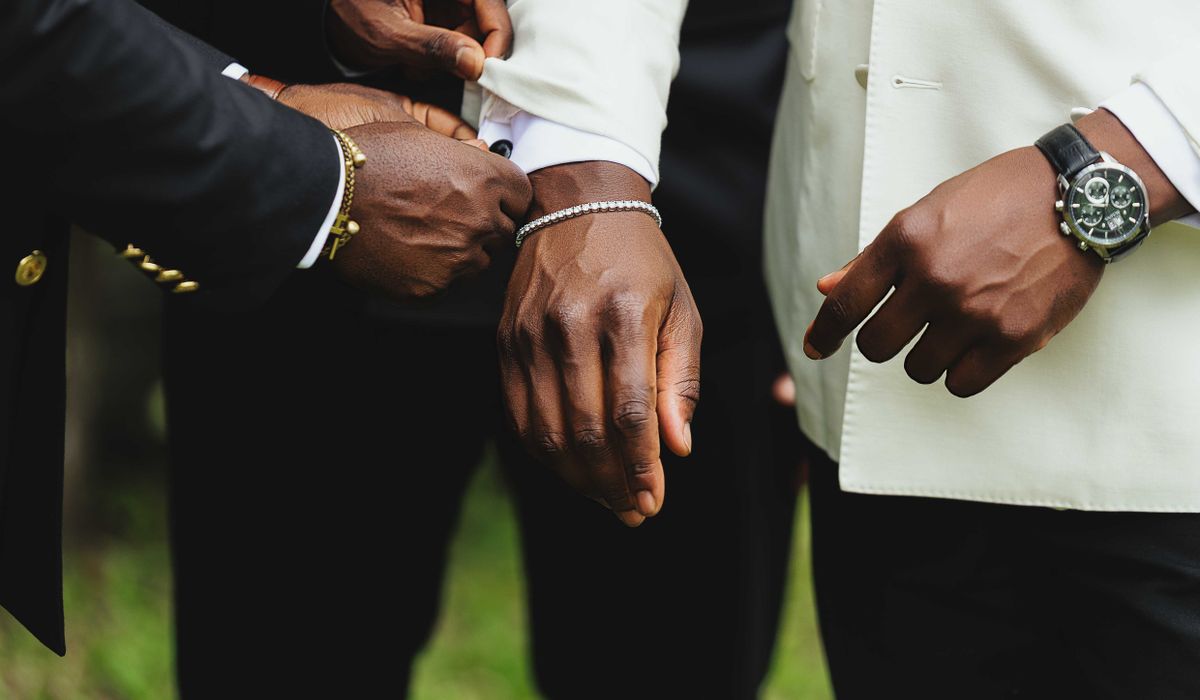
Buttons provoke more disagreement than almost anything else in menswear. The safest rule is simple: avoid anything overly shiny. Polished gold or brass buttons can look costume-like on a modern blazer, especially on younger men. Horn, matt metal or a dark woven finish reads as considered rather than flashy. If you do want metal, keep it tarnished and understated.
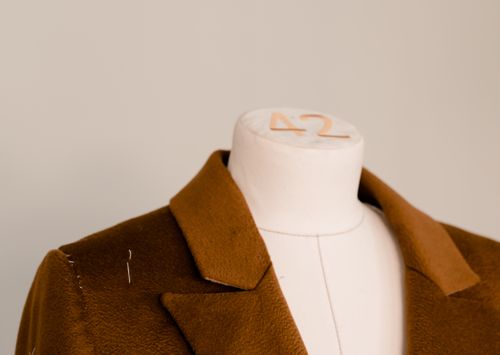
Look at the lapels too. Notch lapels are versatile and correct for nearly every occasion; peak lapels add authority but need a formal context. Keep them in proportion to your frame — a wider lapel suits a broader chest, a narrower one suits a slimmer build.
Pockets matter more than people realise. Patch pockets give a casual, sporty air and suit textured cloth. Flap pockets are smarter. Whatever you choose, resist overloading them. A blazer should hang cleanly, not bulge at the hip.
Finishing Touches and Grooming
The blazer only does half the work. Grooming and small accessories carry the rest. Keep your hair tidy and your face fresh — a light moisturiser in the morning and a neat shave or well-kept beard will do more for your appearance than any jacket. Trim your nails, and keep your shoes polished; scuffed shoes undo an otherwise excellent outfit faster than anything.
Accessories should whisper, not shout:
- A pocket square in white linen, folded simply, adds a touch of polish without fuss.
- A leather belt that roughly matches your shoes, in a width that suits the trouser loops.
- A simple watch with a leather strap — understated beats oversized every time.
Skip the tie if the occasion allows. An open collar with a well-fitted blazer looks relaxed and modern, and it lets the jacket take centre stage.
Wearing It with Confidence
Confidence, in the end, comes from knowing that everything is in order. Once the fit is right and the combinations are sensible, you stop thinking about the blazer and start simply wearing it. That ease is the whole point.
Start with one good navy blazer. Wear it often — to dinner, to the office on a relaxed day, to a wedding, to a pub lunch. Learn how it behaves with the clothes you already own. Add a second only when you know precisely what the first one lacks. Style built this way is slow, practical and quietly impressive, which is exactly what classic menswear has always been about.
tag: Menswear

Jonathan Pemberton Author
Winter demands extra oil and balm, while summer calls for lighter products and regular trimming. Adjust your routine as humidity and temperature shift.
YOU MAY ALSO LIKE
Caring for Your Beard Through Changing Seasons
Aug 23
10A well-knotted tie in a subtle pattern adds polish without shouting. Learn a four-in-hand knot and choose colours that complement your shirt.
read more
The Quiet Appeal of a Good Silk Tie
Aug 17
10Worsted, flannel and tweed each behave differently. Consider season, formality and durability before commissioning a jacket or trousers.
read moreMenswear
-

ERRIC CATONA
Deep greens, warm neutrals and muted blues work well with period features. Test samples on several walls before committing to a full room.
May 19, 2016 at 5.12 pm
Reply
ERRIC CATONA
Mention the specific gift or gesture, explain how you will use it and close with warm regards. Handwritten notes carry more weight than digital messages.
May 19, 2016 at 5.12 pm
Reply -
ERRIC CATONA
Clean with saddle soap, condition the leather and replace worn hardware. A little patience can bring a quality piece back into daily use.
May 19, 2016 at 5.12 pm
Reply
Grooming
Your email address will not be published.