
How to Select a Classic Fedora or Panama
A good hat is the quietest way a man can look finished. It frames the face, shades the eyes and adds a line of intent to an outfit that might otherwise read as merely tidy. Yet many men who will happily spend an hour choosing a jacket buy a hat in five minutes, then wonder why it never leaves the hall. The difference between a hat that earns compliments and one that gathers dust usually comes down to three things: the shape of your face, the width of the brim, and whether the material suits the season.
Start With Your Face Shape
Hold a mirror at eye level and look at the overall outline of your face before you think about colour or brand. The brim is a horizontal line drawn across your face, and it either balances that outline or fights it.
- Oval faces are the easiest to dress. Most brim widths and crown heights will sit well, so choose on character rather than correction.
- Round faces benefit from height. A taller, tapered crown and a brim that is fairly wide will lengthen the face. Avoid a short, deeply curled brim, which makes the face appear wider still.
- Long or oblong faces want the opposite treatment: a lower crown, worn level rather than tilted back, and a wider brim to add horizontal weight. Too much crown height exaggerates the length.
- Square faces are softened by gentle curves — a teardrop or centre-dent crown, a medium brim with a soft snap, rather than hard, angular lines.
- Smaller frames should generally stay under about 5.5cm of brim, while taller and broader men can carry 6.5cm or more without looking theatrical.
Felt or Straw? Matching the Hat to the Season
The old rules about felt and straw still hold because they were built on comfort and weather. Fur felt fedoras — in rabbit, hare or beaver — are warm, hold their shape through drizzle and take a crisp crease. A mid-weight felt in navy, charcoal or brown will carry you from October through to March, worn with an overcoat, a tweed jacket or a plain roll-neck.
Panama hats are for the warmer half of the year. Genuine examples are woven from toquilla straw, light enough to breathe and smart enough for a summer wedding, a garden party or a fortnight in southern Europe. The finest weaves are supple and almost cloth-like; a blockier weave is hardier for the beach. Keep them for dry heat — a Panama caught in a downpour will lose its shape and its crispness in minutes.
Getting the Fit Right
Fit matters more than almost anything else, because a hat that pinches will be left at home. Measure with a soft tape around your head, roughly a centimetre above the ears and around the fullest part of the back of the skull. Compare that figure with the maker's size chart rather than guessing from a general label such as medium.
When you try a hat, it should sit about a finger's width above the eyebrows, with the brim level or very slightly dipped at the front. It should feel snug across the forehead but leave no red mark after twenty minutes. If it is a fraction tight, felt can usually be eased with a little steam and patience; straw is far less forgiving, so buy the correct size the first time. If in doubt between two sizes, take the larger and adjust with a strip of felt behind the sweatband.
Colour, Band and Crown
For a first serious hat, choose a colour already present in your wardrobe. Navy and charcoal flatter formal coats and grey tailoring; a warm mid-brown or tan sits beautifully with tweed, olive and camel; black is best reserved for city formality and evening wear. The band is where personality lives. A wider, darker band reads more formal, while a contrasting ribbon — burgundy on brown, black on grey — adds interest without shouting.
Crown shape follows the same logic. The classic teardrop or centre dent suits almost everyone and looks at home with a suit or a waxed jacket. A diamond crease is a little more rakish. Whatever you choose, the pinch should be crisp and symmetrical, not tight and fussy.
Care, Storage and Travel
- Brush felt anticlockwise with a soft hat brush after wearing, which lifts dust rather than working it into the fibres.
- Rest a felt hat on its crown, brim up, so the brim keeps its curve. Never hang it on a peg by the brim.
- Store in a box with the crown lightly filled with tissue, away from direct sunlight and radiators.
- Let a wet felt hat dry naturally at room temperature. Never dry it near a fire or with a hairdryer.
- Pack a Panama flat, brim supported, and only roll one that was woven for rolling.
Wearing It Well
Finally, the manners of it. A hat is removed indoors — in a home, a restaurant, a place of worship — though it may stay on in a station concourse or a lift. Tilt it a fraction towards the back for daylight, level for formal wear, and keep the brim clear of your collar. Choose one hat that fits properly and wear it often enough that it becomes part of how you move, rather than an accessory you are aware of. That quiet familiarity is what makes classic style look effortless.
tag: Accessories

Oliver Hartley Author
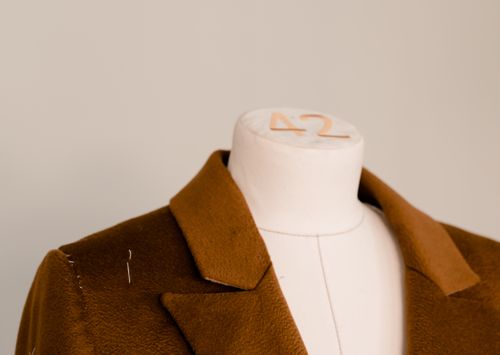
An overcoat covers more of your outfit than any other garment. Investing in fit, cloth and lining pays dividends across many winters.
YOU MAY ALSO LIKE
The Case for a Made-to-Measure Overcoat
Jul 15
10Use built-in joinery, colour-code spines or mix open and closed storage. Leave breathing space so the shelves feel curated rather than crowded.
read more
Adding Bookshelves Without Cluttering a Room
Jul 10
10Black tie, morning dress and smart casual each have conventions. When unsure, ask the host or err on the side of understated elegance.
read moreMenswear
-

ERRIC CATONA
Check movement condition, case hallmarks and originality before buying. Service records and a reputable dealer reduce the risk of costly repairs.
May 19, 2016 at 5.12 pm
Reply
ERRIC CATONA
Dedicate a wall or alcove to books, add a comfortable chair and good lighting. Arrange by subject or author to make browsing a pleasure.
May 19, 2016 at 5.12 pm
Reply -
ERRIC CATONA
Start with well-cut staples in neutral tones, then add texture through knitwear, overshirts and tailored trousers for everyday versatility.
May 19, 2016 at 5.12 pm
Reply
Grooming
Your email address will not be published.